

Hey there! As a supplier of Rehabilitation Wall Rods, I often get asked about the best way to store these handy pieces of equipment when they're not in use. In this blog, I'll share some practical tips and tricks to help you keep your wall rods in top - notch condition for as long as possible.
First off, let's talk about why proper storage matters. Rehabilitation wall rods are designed to be durable, but improper storage can lead to damage like scratches, dents, or even warping. This not only affects the look of the rods but can also impact their functionality. And as you know, functionality is key when it comes to rehabilitation equipment.
Clean Before Storage
Before you even think about storing your wall rods, you need to give them a good clean. Over time, dirt, sweat, and other debris can build up on the surface of the rods. This can not only make them look unappealing but can also cause long - term damage if left unattended.
For wooden wall rods, a simple solution of mild soap and water usually does the trick. Use a soft cloth to gently wipe down the surface, making sure to get into all the nooks and crannies. Avoid using harsh chemicals or abrasive cleaners, as these can damage the wood finish. After cleaning, dry the rods thoroughly with a clean, dry cloth to prevent moisture from causing rot or mold.
If you have metal - style wall rods, like our Metal Style Wooden Rehabilitation Wall Bar, you can use a slightly stronger cleaner, but still make sure it's non - abrasive. A metal cleaner specifically designed for the type of metal used in the rods can help remove any rust or oxidation. Once again, dry the rods completely before storage.
Choose the Right Location
The location where you store your rehabilitation wall rods is crucial. You want to find a place that is dry, cool, and away from direct sunlight. Excessive heat and humidity can cause the wood to expand and contract, leading to warping or cracking. Sunlight can also fade the color of the rods over time.
A basement or a garage can be good options, as long as they're well - ventilated and not prone to flooding or excessive moisture. If you're storing the rods in a basement, consider using a dehumidifier to keep the humidity levels in check.

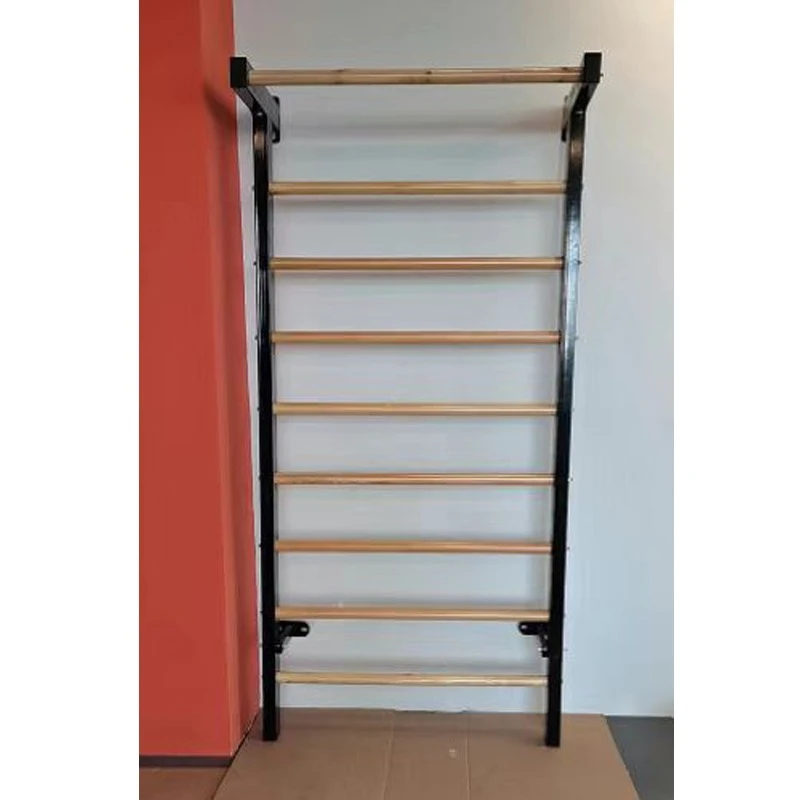
If you don't have a basement or garage, a closet in a cool part of your home can also work. Just make sure there's enough space for the rods so they're not being squeezed or bent.
Protect the Rods
Once you've found the right location, it's time to protect the rods themselves. One of the simplest ways to do this is by using padding. You can wrap the rods in bubble wrap or foam padding to prevent scratches and dents. Make sure the padding is securely attached so it doesn't come off during storage.
If you have multiple wall rods, you can stack them, but make sure to place a layer of padding between each rod to prevent them from rubbing against each other. You can also use storage racks or brackets to keep the rods organized and off the ground. This not only protects them from damage but also makes them easier to access when you need them.
Consider the Rod's Length
Rehabilitation wall rods come in different lengths, and this can affect how you store them. Longer rods can be more challenging to store, but there are solutions. If you have a long wall rod, you might be able to lean it against a wall in a corner, as long as it's stable and won't fall over.
Another option is to disassemble the rod if it's a modular design. Many of our wall rods, like the Scoliosis Wall Bar, are designed to be easily disassembled for storage. This can make them much more manageable and take up less space.
Check on the Rods Regularly
Even if you've stored your wall rods properly, it's a good idea to check on them regularly. Every few months, take a look at the rods to make sure they're still in good condition. Check for any signs of damage, such as cracks, warping, or rust. If you notice any issues, address them as soon as possible to prevent further damage.
Special Considerations for Different Types of Wall Rods
Different types of rehabilitation wall rods may require slightly different storage methods. For example, our One Shoulder Wooden Rehabilitation Wall Bar has a unique design that might need special attention.
Because of its one - shoulder design, it's important to store it in a way that doesn't put too much pressure on the shoulder part. You might want to store it horizontally on a flat surface with proper padding to support the entire length of the rod.
Long - Term Storage
If you're planning to store the wall rods for an extended period, like during a renovation or if you're not using them for a few seasons, there are a few additional steps you can take.
First, apply a protective finish to the wooden rods. A coat of wax or a wood sealer can help protect the wood from moisture and other environmental factors. Make sure to follow the manufacturer's instructions when applying the finish.
You can also consider covering the rods with a plastic sheet or tarp to provide an extra layer of protection. Just make sure the covering is breathable so moisture doesn't get trapped inside.
Conclusion
Proper storage of rehabilitation wall rods is essential for maintaining their quality and functionality. By following these tips, you can ensure that your wall rods stay in great condition for years to come.
If you're in the market for high - quality rehabilitation wall rods, we're here to help. We offer a wide range of wall rods, including the Scoliosis Wall Bar, One Shoulder Wooden Rehabilitation Wall Bar, and Metal Style Wooden Rehabilitation Wall Bar. If you have any questions about our products or need help with storage, feel free to reach out to us for a procurement discussion.
References
- General guidelines on wood and metal storage from industry - standard equipment maintenance manuals.
- Product specifications and care instructions provided by our in - house product development team.