

Are there any group exercise programs that use a Scoliosis Wall Bar?
As a supplier of Scoliosis Wall Bars, I've often been asked about the viability and effectiveness of group exercise programs incorporating these specialized tools. Scoliosis, a condition characterized by an abnormal curvature of the spine, affects millions of people worldwide. Physical therapy and targeted exercises are crucial in managing its symptoms, and the Scoliosis Wall Bar has emerged as a valuable asset in this regard.
Understanding the Scoliosis Wall Bar
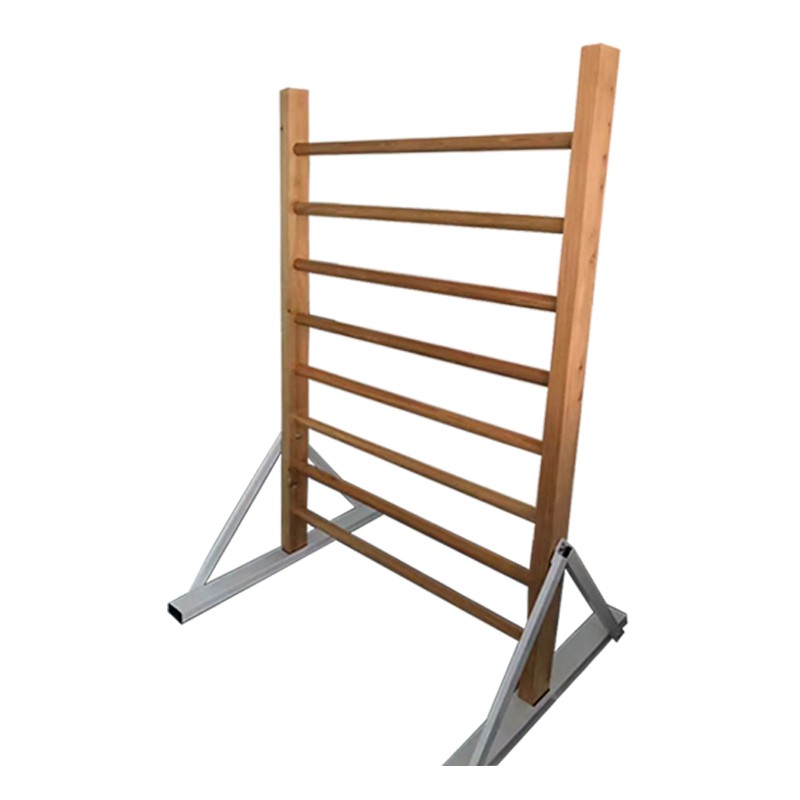
Before delving into group exercise programs, it's essential to understand what a Scoliosis Wall Bar is and how it aids in rehabilitation. A Scoliosis Wall Bar is a sturdy, vertical structure typically mounted on a wall. It consists of a series of horizontal bars at varying heights, providing support and resistance for a wide range of exercises. These bars allow individuals to perform stretching, strengthening, and alignment exercises that target the muscles surrounding the spine.
The design of the Scoliosis Wall Bar is based on the principles of kinesiology and biomechanics. By using the bars as anchors, patients can engage in exercises that promote proper spinal alignment, improve muscle imbalances, and enhance flexibility. The adjustable nature of the bars makes them suitable for individuals of different heights and fitness levels, making it an inclusive tool for rehabilitation.
Group Exercise Programs with Scoliosis Wall Bars
Group exercise programs that incorporate Scoliosis Wall Bars offer several advantages over individual sessions. Firstly, they provide a supportive and motivating environment where participants can share their experiences, challenges, and progress. This sense of community can boost adherence to the exercise program and improve overall outcomes.
Secondly, group sessions allow for the supervision of a qualified instructor who can ensure proper form and technique. This is especially important when using a Scoliosis Wall Bar, as incorrect use can lead to ineffective or even harmful results. An instructor can also tailor the exercises to the specific needs and abilities of each participant, ensuring a safe and effective workout.
Here are some examples of group exercise programs that can utilize Scoliosis Wall Bars:
1. Scoliosis-Specific Yoga Classes
Yoga is a well-known practice for improving flexibility, strength, and balance. When combined with a Scoliosis Wall Bar, it can be particularly beneficial for individuals with scoliosis. In a group yoga class, participants can use the wall bar to assist with various poses, such as standing forward bends, side stretches, and backbends. The wall bar provides support and stability, allowing participants to deepen their stretches and maintain proper alignment.
For example, in a standing forward bend, participants can hold onto the wall bar at shoulder height to help them fold forward from the hips, keeping their spine straight. In a side stretch, they can grasp the bar at waist height and gently lean to the side, feeling a stretch along the opposite side of the body. These poses can help improve spinal flexibility, reduce muscle tension, and promote better posture.
You can find a suitable Yoga Wooden Wall Bar Trainer for your group yoga sessions.
2. Pilates for Scoliosis
Pilates is another exercise method that focuses on core strength, flexibility, and body awareness. In a group Pilates class for scoliosis, participants can use the Scoliosis Wall Bar to perform exercises that target the deep abdominal muscles, back muscles, and pelvic floor. These muscles play a crucial role in maintaining spinal stability and alignment.
For instance, participants can use the wall bar to perform leg lifts, which strengthen the hip flexors and lower abdominal muscles. They can also use the bar to assist with spine twists, which help improve spinal mobility and reduce muscle imbalances. Pilates exercises on the wall bar can be modified to suit different levels of fitness and scoliosis severity, making it accessible to a wide range of participants.
3. Strength Training for Scoliosis
Strength training is an important component of scoliosis management, as it helps build muscle mass and improve overall body strength. In a group strength training program, participants can use the Scoliosis Wall Bar to perform exercises such as pull-ups, rows, and shoulder presses. These exercises target the muscles of the upper body, including the back, shoulders, and arms, which are often weak in individuals with scoliosis.
For example, a pull-up exercise using the wall bar can help strengthen the latissimus dorsi muscles, which are important for maintaining proper shoulder and spine alignment. A row exercise can target the rhomboid and trapezius muscles, which help stabilize the scapulae and support the spine. By incorporating strength training into a group exercise program, participants can improve their muscle strength, enhance their physical function, and reduce the risk of further spinal deformity.
A Rehabilitation Wooden Wall Rod can be a great addition to your strength training sessions.

4. Balance and Coordination Training
Balance and coordination are often impaired in individuals with scoliosis, which can increase the risk of falls and injuries. In a group balance and coordination training program, participants can use the Scoliosis Wall Bar to perform exercises that challenge their balance and improve their proprioception (the body's awareness of its position in space).
For instance, participants can stand on one leg while holding onto the wall bar for support, gradually increasing the duration of the single-leg stance. They can also perform tandem walks, where they place one foot directly in front of the other while holding onto the bar for stability. These exercises can help improve balance, reduce the risk of falls, and enhance overall physical function.
Benefits of Group Exercise Programs with Scoliosis Wall Bars
The combination of group exercise programs and Scoliosis Wall Bars offers numerous benefits for individuals with scoliosis:
1. Social Support
Group exercise programs provide a sense of community and social support, which can be particularly beneficial for individuals with scoliosis. Sharing experiences, challenges, and successes with others who are going through similar situations can help reduce feelings of isolation and improve mental well-being.
2. Motivation and Accountability
Exercising in a group setting can be more motivating than exercising alone. The presence of others can encourage participants to push themselves harder, stay committed to the exercise program, and achieve their goals. Additionally, group sessions often have a structured schedule, which helps participants stay accountable and consistent with their workouts.
3. Professional Guidance
In a group exercise program, participants have the opportunity to work with a qualified instructor who can provide professional guidance and support. The instructor can ensure proper form and technique, tailor the exercises to the specific needs of each participant, and monitor progress over time. This personalized attention can enhance the effectiveness of the exercise program and reduce the risk of injury.
4. Cost-Effective
Group exercise programs are often more cost-effective than individual sessions, as the cost is shared among the participants. This makes it more accessible for individuals with scoliosis who may be on a limited budget.
Choosing the Right Scoliosis Wall Bar
When selecting a Scoliosis Wall Bar for a group exercise program, there are several factors to consider:
1. Quality and Durability
The wall bar should be made of high-quality materials that can withstand regular use and the weight of multiple participants. Look for bars that are made of sturdy wood or metal and have a smooth finish to prevent injuries.
2. Adjustability
The wall bar should be adjustable to accommodate participants of different heights and fitness levels. This allows for a more personalized and effective exercise experience.
3. Safety Features
The wall bar should have safety features such as non-slip grips and secure mounting hardware to prevent accidents. It's also important to ensure that the wall bar is installed correctly and meets all relevant safety standards.
One option is the Metal Style Wooden Rehabilitation Wall Bar, which combines the durability of metal with the natural feel of wood.
Conclusion
Group exercise programs that incorporate Scoliosis Wall Bars offer a safe, effective, and enjoyable way to manage scoliosis. By providing a supportive environment, professional guidance, and a variety of exercises, these programs can help individuals with scoliosis improve their spinal alignment, enhance their muscle strength and flexibility, and reduce the symptoms of their condition.
If you're interested in starting a group exercise program that uses Scoliosis Wall Bars or would like to learn more about our products, please don't hesitate to contact us. We're here to help you find the right solutions for your needs and support you in your journey towards better health.
References
- American Academy of Orthopaedic Surgeons. (2023). Scoliosis. Retrieved from [URL of the source]
- National Scoliosis Foundation. (2023). Exercise and Scoliosis. Retrieved from [URL of the source]
- Kinesiology and Biomechanics of the Spine. (2023). Textbook by [Author's name]. Publisher: [Publisher's name].